
SUPRA Connect

CAREER PATH

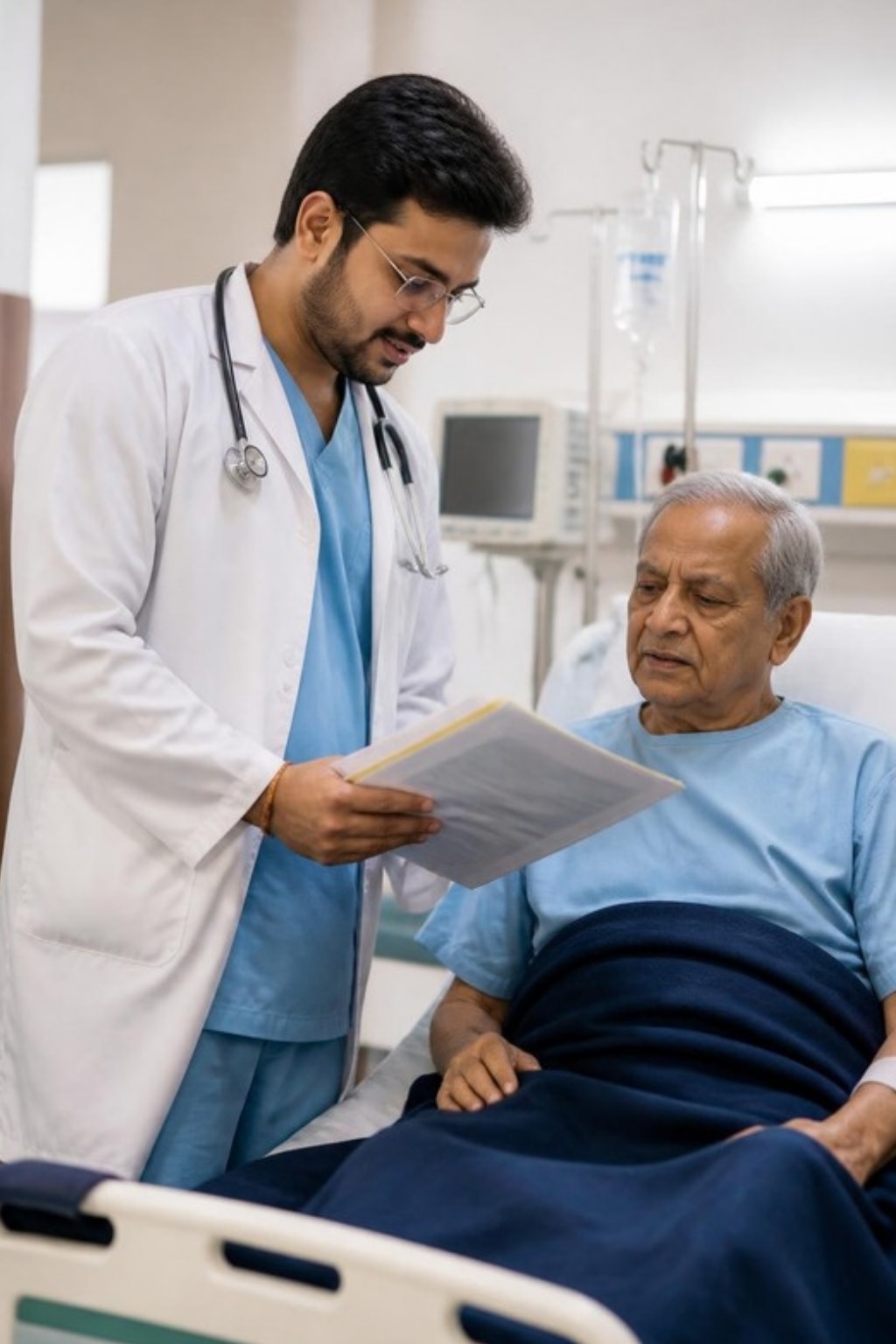
Medicine

A long, people-centred path combining science, judgement and responsibility.

Medicine career

THE REALITY

Before you choose it.

Medicine is not a single job. Clinical practice, surgery, diagnostics, public health, research and healthcare administration have very different day-to-day realities. The path is academically demanding and typically longer than most undergraduate careers.

UG entry

NEET-UG is the common national route

MBBS structure

Academic training + compulsory internship

Specialisation

PG pathways include MD/MS and other routes

Core requirement

Strong biology + sustained study discipline

WAYS IN

Three practical routes.

01ROUTE

Clinical Doctor

Diagnose, treat and follow patients across a chosen specialty.

  1. 1.Complete Class 11–12 science preparation
  2. 2.Qualify NEET-UG and enter medical college
  3. 3.Complete MBBS and internship
  4. 4.Decide between practice, postgraduate study or other health roles
  5. 5.Build clinical experience and specialty expertise
02ROUTE

Specialist / Surgeon

Develop deeper expertise after medical school.

  1. 1.Complete MBBS
  2. 2.Prepare for postgraduate entrance/admission
  3. 3.Complete MD/MS or relevant specialty training
  4. 4.Pursue further super-specialisation where appropriate
  5. 5.Develop a clinical niche and reputation
03ROUTE

Public Health / Research

Work on populations, evidence, systems and healthcare delivery.

  1. 1.Use medicine or another health-science base
  2. 2.Add public-health, research or analytics training
  3. 3.Build field/research experience
  4. 4.Work with hospitals, universities, government or health organisations
  5. 5.Move toward policy, epidemiology, research or programme leadership

OPPORTUNITIES

Where it can lead.

  • Hospitals and clinics
  • Specialist and super-specialist practice
  • Public health and government programmes
  • Medical research and academia
  • Health-tech and healthcare operations
  • Global health and development organisations

CHALLENGES

What people underestimate.

  • Long training horizon before many senior roles.
  • High academic and emotional workload.
  • Patient-facing work carries significant responsibility.
  • Lifestyle varies dramatically by specialty and work setting.

TRADE-OFFS

There is no perfect route.

ChoiceUpsideTrade-off
Medicine vs allied healthMedicine offers broad clinical authority and specialty options.Training is longer and the responsibility is substantial.
Government vs private practiceGovernment can offer structure and public impact; private practice can offer autonomy.Pay, workload, location and autonomy vary by role.
Clinical vs researchClinical work is directly patient-facing; research can influence larger populations.Research may require additional training and a different career progression.

ROADMAP

What to do next.

  1. 01Class 9–10: test genuine interest in biology and healthcare
  2. 02Class 11–12: PCB preparation and entrance planning
  3. 03NEET-UG: understand counselling, college and cost choices
  4. 04MBBS: academics, clinical exposure and internship
  5. 05Post-MBBS: practice, PG, research or healthcare management
  6. 06Specialisation: build long-term clinical or health-system expertise

TALK TO SOMEONE WHO KNOWS

Speak to a doctor about training length, patient responsibility, specialty lifestyle and what the job feels like after the entrance-exam phase.

Find a Mentor →